

Need assistance or ready to help a physician in need?
Need assistance or ready to help a physician in need?
Our latest news and updates from the Washington Physicians Health Program team. For an archive of relevant resources on a wide variety of health topics, please visit Research & Studies.
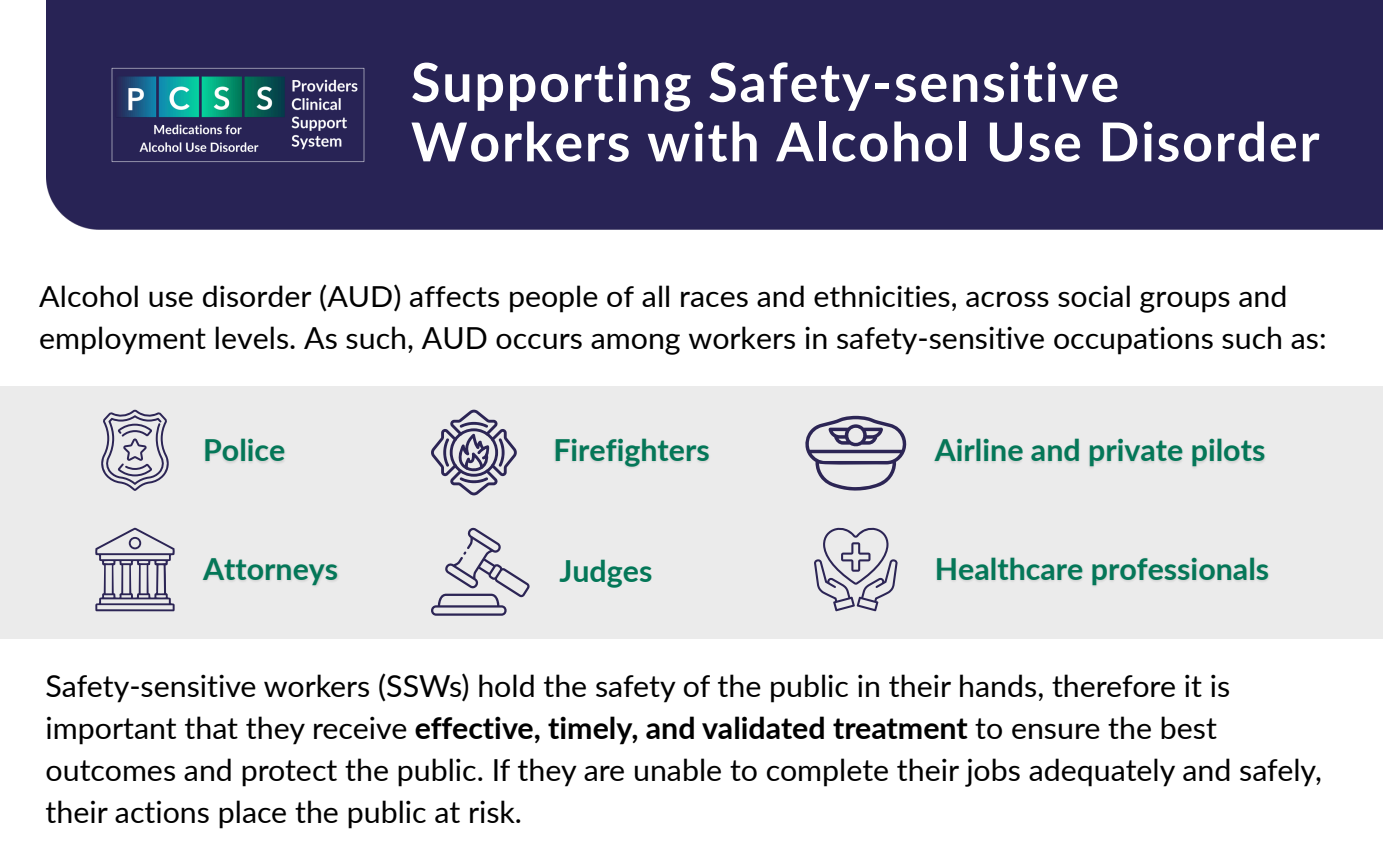
Published by the American Society of Addiction Medicine, a new resource provides an overview of best practices for identifying, treating, and supporting safety‑sensitive workers with Alcohol Use Disorder.
Dr. Chris Bundy, Executive Medical Director of the Washington Physicians Health Program and Chief Medical Officer of the Federation of State Physician Health Programs (FSPHP), and Dr. Paul Earley, Past President of FSPHP and Medical Director Emeritus of the Georgia Professional Health Program, contributed their expertise to “Supporting Safety-sensitive Workers with Alcohol Use Disorder.”
Drawing on established evidence, professional health program protocols, and the unique clinical considerations involved in caring for individuals whose work impacts public safety, the document outlines key components of assessment, treatment, long‑term monitoring, and recovery support.
This resource was made possible through collaboration with the Providers Clinical Support System and funding by the Substance Abuse and Mental Health Services Administration.
View “Supporting Safety-sensitive Workers with Alcohol Use Disorder.”
Read More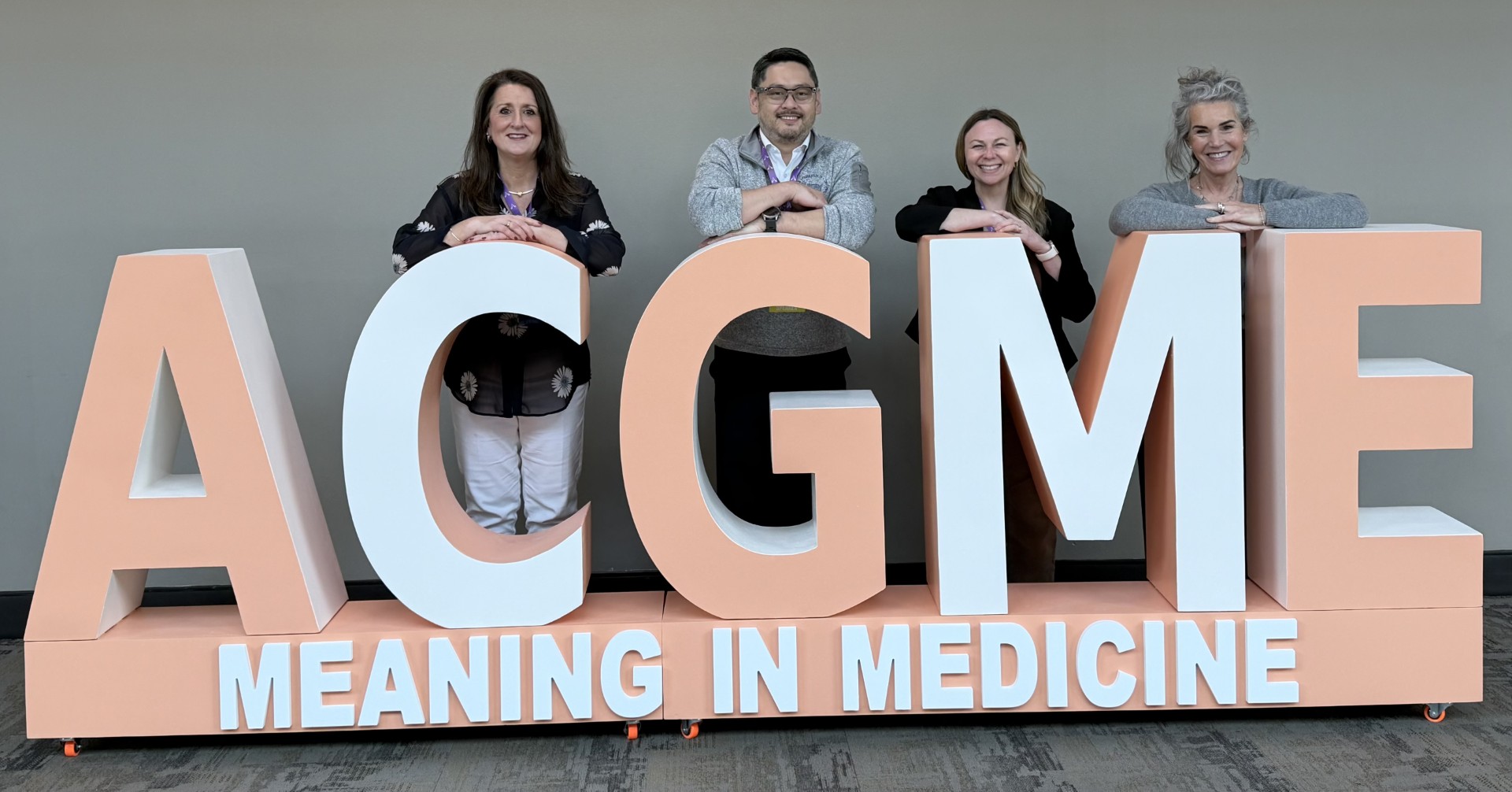
Courtney Strong, MA, LMHC, SUDP, Clinical Director of the Washington Physicians Health Program (WPHP), attended the 2026 Accreditation Council for Graduate Medical Education (ACGME) Annual Educational Conference on Feb. 19-21 in San Diego, Calif. Nearly 5,000 attendees gathered at the world’s largest graduate medical education (GME) event to engage in educational sessions and strengthen professional connections in the field of academic medicine.
The conference theme, “Meaning in Medicine,” highlighted the importance of sustaining purpose and joy, promoting well-being, and fostering collaboration in the vital work of health care professionals and educators.
In support of this theme, Ms. Strong presented “Helping the Impaired Resident: Addressing Myths of Physician Health Programs (PHPs)” with Byron Joyner, MD, MPA, Vice Dean of Graduate Medical Education and Designated Institutional Official at the University of Washington School of Medicine (UWSOM), and Cindy Hamra, JD, MA, FACHE, Associate Dean for Administration and Finance in the GME Office at UWSOM.
This session explored how impairment may appear in a resident’s behavior, addressed perceived and real barriers to PHP engagement, and identified ways to enhance education and support institutional clarity about addressing concerns regarding learning impairment.
Following the presentation, several attendees remained to ask additional questions about PHPs, learn more about the cooperative relationship between WPHP and University of Washington GME, and identify resources in their respective states if they have concerns about a trainee. One attendee expressed gratitude for WPHP and the Federation of State Physician Health Programs’ (FSPHP) advocacy efforts to establish a PHP in California.
Additionally, colleagues from FSPHP presented “Help is Hiding in Plain Sight: The Role of Physician Health Programs” at the conference. Presenters included Edwin Kim, MD, FAPA, President-Elect of FSPHP and Medical Director of the Pennsylvania Physicians’ Health Program, Linda Bresnahan, Executive Director and CEO of FSPHP, and Lisa Merlo, PhD, MPE, Professor of Psychiatry, Co-Vice Chair of Faculty Development, and Director of Wellness Programs at the University of Florida College of Medicine.
This session introduced the PHP model and findings from the largest PHP study to date, highlighting the wealth of PHP services and resources available to support mental health and the ability to practice among licensed clinicians, residents, and fellows. Results of the survey highlight the confidential nature of program participation, as well as the assistance offered to academic medical centers and GME programs in supporting residents, fellows, and faculty members with potentially impairing conditions.
Ms. Strong attended an engaging session about the vital roles of psychological safety, teaming, and learning from failure in advancing individual and organizational improvement within clinical education by Amy Edmondson, Novartis Professor of Leadership and Management at the Harvard Business School. She also attended a lecture titled “The Courage to Care – The Heart of Medical Education” by Timothy Brigham, MDiv, MS, PhD, former Chief Education Officer and Chief of Staff of ACGME. This session honored the quiet heroes of GME and the lifetime impact they have on those they educate and mentor.
WPHP is grateful for the opportunity to share our work and connect with colleagues at the 2026 ACGME Annual Educational Conference. We look forward to applying these new insights toward advancing the health and well-being of Washington’s medical community.
Featured photo (from left to right): Linda Bresnahan; Edwin Kim, MD, FAPA; Courtney Strong, MA, LMHC, SUDP; Robin McCown, Executive Director of the Georgia Professional Health Program.
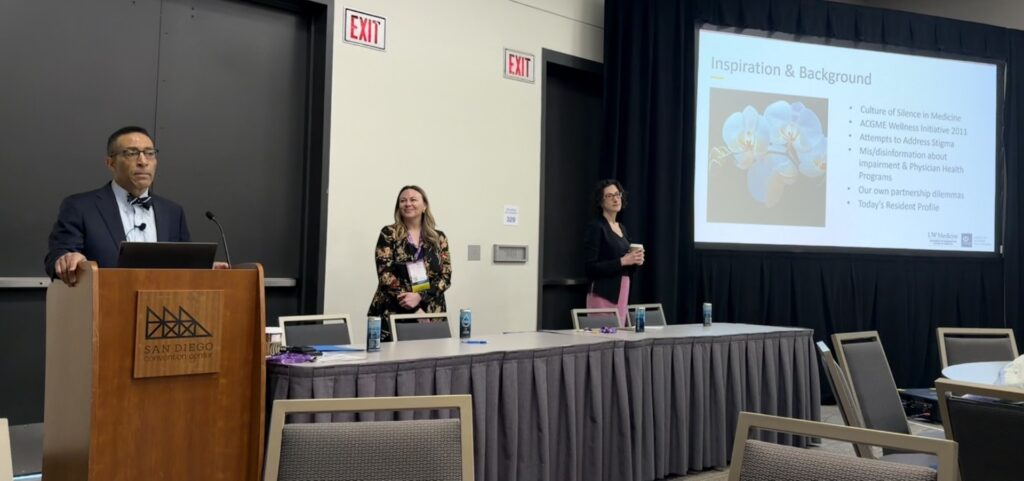
Photo (from left to right): Byron Joyner, MD, MPA; Courtney Strong, MA, LMHC, SUDP; Cindy Hamra, JD, MA, FACHE.
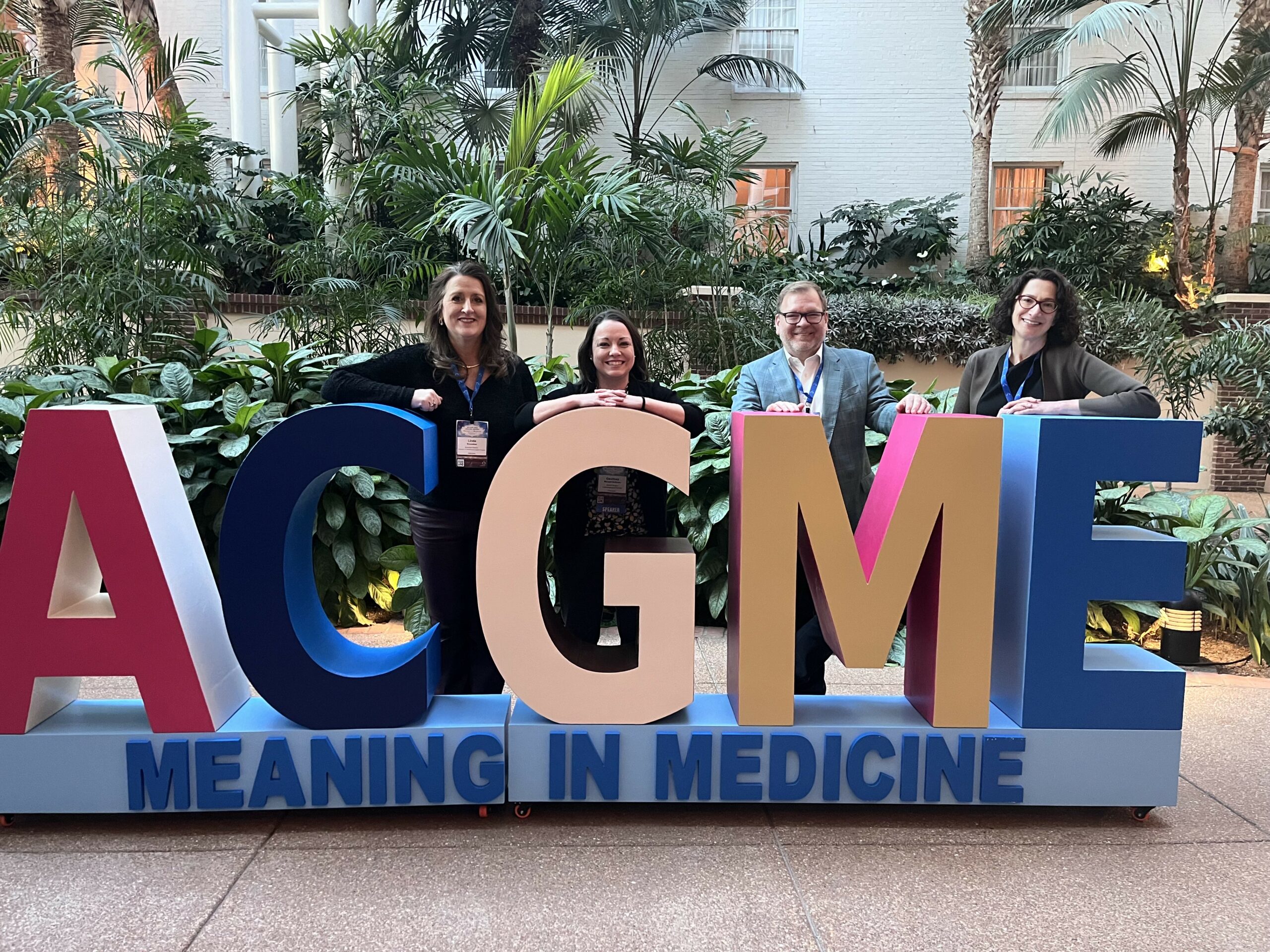
Dr. Chris Bundy, Executive Director of the Washington Physicians Health Program (WPHP), attended the 2025 Accreditation Council for Graduate Medical Education (ACGME) Annual Educational Conference on Feb. 20-22 in Nashville, Tenn. As the world’s largest Graduate Medical Education (GME) conference, this event is a special opportunity for attendees to engage in educational sessions and strengthen professional connections in the field of academic medicine.
This year’s conference theme, “Meaning in Medicine,” highlighted the importance of aligning personal and professional values, promoting well-being, and fostering collaboration within the healthcare community.
In support of this theme, Dr. Bundy presented “Physician Health Programs and GME: A Candid Conversation,” featuring panelists Courtney Barrows McKeown, MD, a surgeon and physician in recovery, and Cindy Hamra, JD, MA, Associate Dean of the University of Washington GME. This inspiring session gave attendees a rare opportunity to hear the personal stories of physicians who have lived experience of addiction and recovery. It also illuminated best practices, opportunities for improvement, and advocacy targets that can help GME and PHP programs deliver on a promise of hope and healing while mitigating the risk of adverse professional consequences that can discourage residents from seeking and accepting help when needed.
During the “Review of the 2024 ACGME Well-Being Symposium: Charting New Directions for GME” session, ACGME shared key outcomes from the symposium, which Dr. Bundy attended last November. One key outcome was the formation of several Well-Being Affinity Groups that will convene throughout the next year to identify resources to support resident well-being. Dr. Bundy will lead the Access the Mental Health Care Affinity Group and attend a summit of Affinity Group Leaders at ACGME’s office in Chicago in fall 2025.
Dr. Bundy also attended resident well-being sessions that raised awareness about PHPs as a critical resource for GME and program directors in supporting residents in crisis.
This conference was a valuable opportunity for WPHP to connect with colleagues representing the University of Washington GME, Seattle Children’s GME, and Valley Medical Center GME. Alongside Linda Bresnahan, MS, FSPHP Executive Director, Dr. Bundy met Dr. Debra Weinstein, the new ACGME President and CEO. They also met with Dr. Humayun Chaudhry, MD, CEO of the Federation of State Medical Boards, and several members of the ACGME Leadership Team and Board of Directors.
The conference insights and connections with ACGME Wellness Leaders will further enhance WPHP’s work supporting medical professionals across Washington.
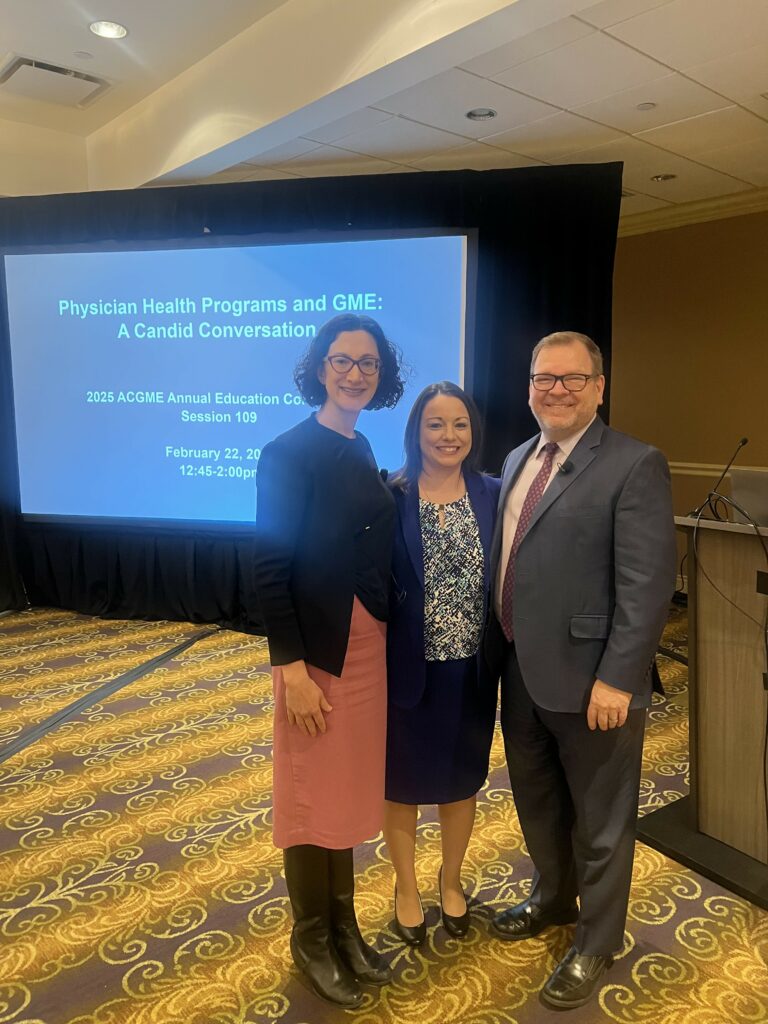
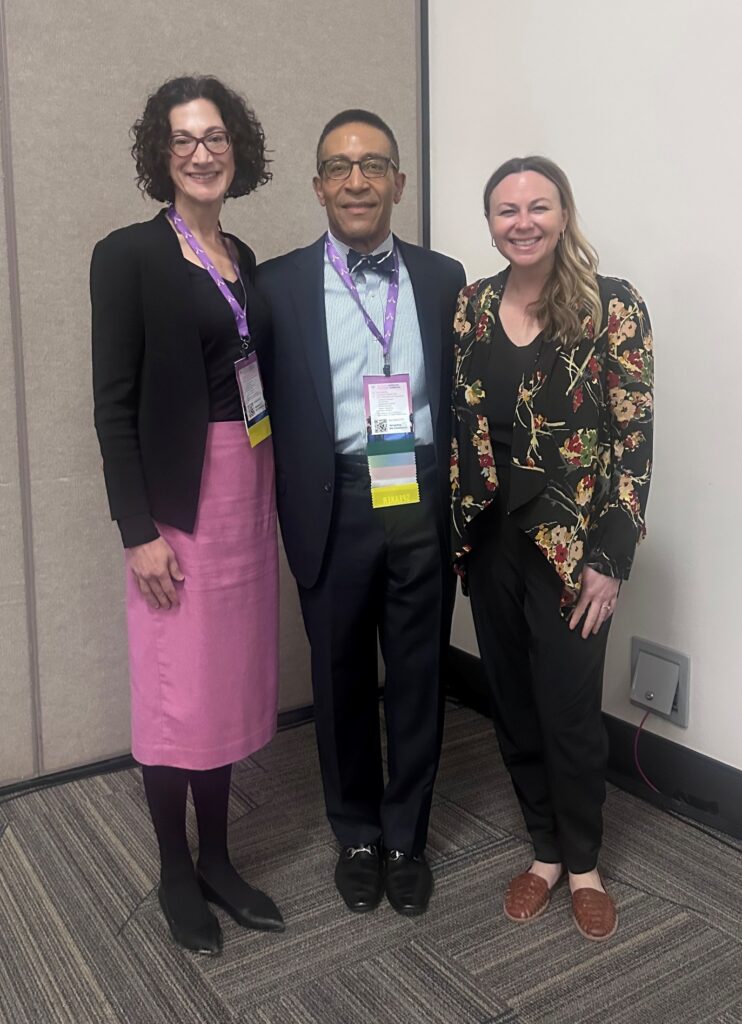
Photo (from left to right): Cindy Hamra, JD, MA, Associate Dean of the University of Washington GME; Courtney Barrows McKeown, MD; and Chris Bundy, MD, MPH, FASAM.
Read More
Physician burnout, psychiatric problems, and substance use disorders are becoming increasingly prevalent. However, the costs of recovery for physicians enrolled in Physician Health Programs (PHPs) remain unexamined. This survey study published in The American Journal on Addictions recent article sheds light on the financial strain on physicians, especially those in training, and highlights resources for financial assistance such as fee deferrals and sliding scale fees. It’s crucial that access to PHPs is available, destigmatized, and affordable for all physicians.
Read More

WPHP works to protect and enhance the confidentiality of our participants. We’ve compiled a list to highlight some of the hard work we’ve done over the past year.
Recently, Dr. Bundy interviewed with InvestigateTV to explain how confidentiality for physicians translates to safer care for patients.
A few weeks ago, in partnership with the Washington State Medical Association and the Washington Medical Commission, WPHP was successful in preserving an important protection for participant confidentiality in the public records act.
WPHP introduced legislation in 2022 that adds enhanced confidentiality protections for program participants. SSB 5496 passed with overwhelming bipartisan support.
In November 2021, WPHP worked closely with the Washington Medical Commission to remove licensure questions about health history, replacing them with an advisory that points to WPHP. The amended application only asks about current impairing or potentially impairing substance use that is not known to WPHP.
Read More
July Issue of Journal of Medical Regulation features Dr. Christopher Bundy and Dr. Betsy Williams.
Read More
Register now to attend FSMB’s Annual meeting! Dr. Bundy will be featured as a panelist on New Perspectives on Physician Impairment.
Read More
WPHP recently compiled a list of local, regional, and national resources for crisis prevention and response for health care workers.
Read More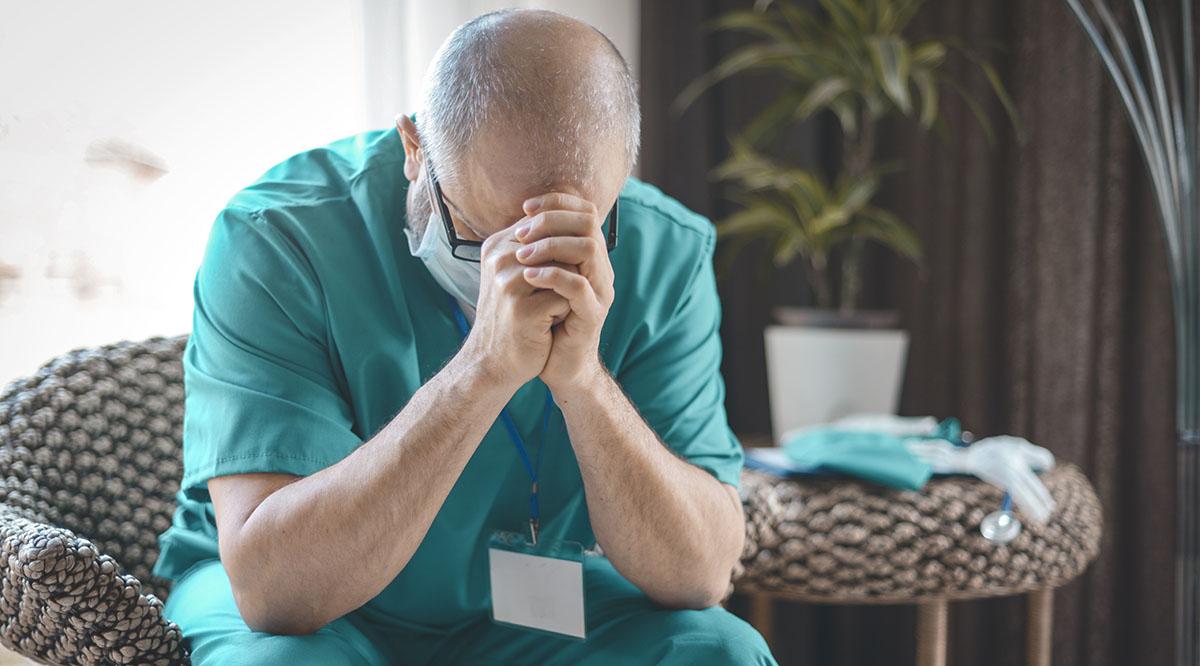
This AAMC article highlights how licensing concerns and stigma may be discouraging physicians from seeking needed mental health treatment amidst the strains of the pandemic.
In 2018, WPHP successfully collaborated with the Washington Medical Commission to reform the questions on the Washington Medical Licensing initial and renewal applications. Since then, questions regarding health and substance use only ask about current impairment (rather than past history, diagnoses, or treatment) and allow physicians known to WPHP to answer “no” to its question about current medical conditions.
Countless Washington physicians have benefitted from these changes and expressed to us their deep gratitude to live and work in a state that supports doctors confidentially getting the help they need and deserve.
Read More
A recent study published in JAMA links sleep-related impairment, to physician burnout and medical errors. Findings confirm that physician performance is not immune to the negative effects of sleep deprivation and suggest that “interventions to mitigate sleep-related impairment in physicians are warranted.”
Read MoreQuick Links